

Most Aussie punters have asked the same question at some point: pokies how many spins to trigger bonus rounds, and whether the lobby’s advertised features actually line up with what happens at the reels. The honest answer is that there is no universal spin count, because each game sets its own scatter conditions, and the casino itself decides how often free spins or pick-em features are advertised in the first place. What you can do is read a lobby’s game mix, check the paytable wording, and treat any claim about trigger frequency as a marketing line rather than a rule. That’s the practical angle I take when I’m auditing a site for content visibility, the same way I’d judge a paid search campaign by its actual conversion path instead of the headline CPC.
Lobby layout and game mix

A well organised lobby makes it easier to separate games that genuinely reward patience from those that just dress up a flat base game. Look for a clear slots section with provider filters, a search bar that actually returns results, and demo modes that let you read the bonus mechanics before you commit any cash. The best lobbies group titles by feature type, so you can spot high-volatility pokies with scatter-driven free spins without scrolling through table games that have nothing to do with the question at hand. I’ve seen plenty of WordPress-driven casino pages that look tidy on the surface but bury the useful filters three clicks deep, and that’s the digital equivalent of running a paid search ad to a landing page with no clear call to action. If the lobby can’t help you find a game’s paytable in under a minute, the spin-count question becomes harder to answer on the fly.
Western Sydney players who jump online during a long arvo often want a lobby that loads fast on mobile and keeps the most popular pokies near the top, not hidden behind a rotating carousel that changes every few seconds. A lobby that organises by provider, volatility, and feature type is easier to work with than one that just lists everything alphabetically. That kind of structure matters because the spin-to-bonus question is really a game-selection question first, and a casino operator has to decide whether its lobby serves discovery or just fills screen space.
Clear filters for bonus rounds, free spins, and RTP let punters settle on a game that matches their bankroll without scrolling through endless pages. When the interface is built to keep the action straightforward, players can spend more time spinning and less time hunting for their next pick. For a platform that puts that kind of user-friendly layout first, check out need for speed casino at https://need-for-spincasino.com/au.
Bonus mechanics and spin counts
The short answer on pokies how many spins to trigger bonus features is that it depends entirely on the game’s scatter logic, not on a casino-wide guarantee. Some titles pay a free spins round when three or more scatter symbols land anywhere on the reels, while others require a specific combination on a payline or a bonus symbol that only appears in certain positions. A spin can happen roughly every few seconds on a machine, but the regulated spin rate of a poker machine doesn’t change how often the bonus actually triggers, because that’s a function of the game maths and the random number generator. I’ve reviewed enough digital funnels to know that a flashy “bonus” label on a lobby tile means nothing unless the paytable explains the actual trigger condition, the retriggers, and any cap on extra spins.
Some operators push buy-a-bonus features, but those are restricted or banned in several jurisdictions, so an Australian player should check the local rules before assuming a purchased trigger is even available. The safer read is to treat free spins and pick-em rounds as something that arrives on the game’s own terms, not something you can force by timing your bets or changing your stake. A realistic exchange over a flat white at the pub goes like this: one mate says he’s convinced the bonus hits after a fixed number of spins because the machine “must be due”, and the other replies that the scatter logic doesn’t work like a bus timetable, then orders another coffee and keeps the conversation moving. That’s the kind of grounded read that keeps expectations in check.
| Feature type | Typical trigger | What to check in the paytable |
|---|---|---|
| Free spins | Scatter symbols on any position | Number required, retriggers, multiplier during the round |
| Pick-em bonus | Bonus symbol or dedicated screen | How many picks, hidden values, win caps |
| Expanding wilds | Specific reel positions or random step-up | Whether wilds expand once or repeat, any bet limits |
| Buy-a-bonus | Paid trigger option | Whether it’s available in your jurisdiction, cost relative to stake |
Providers, volatility and what the reels actually do
Game mix matters because a lobby full of low-volatility pokies will feel very different from one built around high-variance titles that pay out less often but can stretch a bonus round further. Providers set the trigger conditions, the hit frequency, and the size of any free spins round, so a player chasing a specific bonus style should read the game info rather than assume all pokies behave the same. I approach this the same way I’d audit an eCommerce category page: if the product data is inconsistent or the filters lie, the customer leave rate climbs, and a casino lobby is no different when it promises variety but buries the useful details. A lobby that lists provider, volatility, and feature type in the game card is easier to judge than one that just throws a thumbnail and a jackpot figure at you.
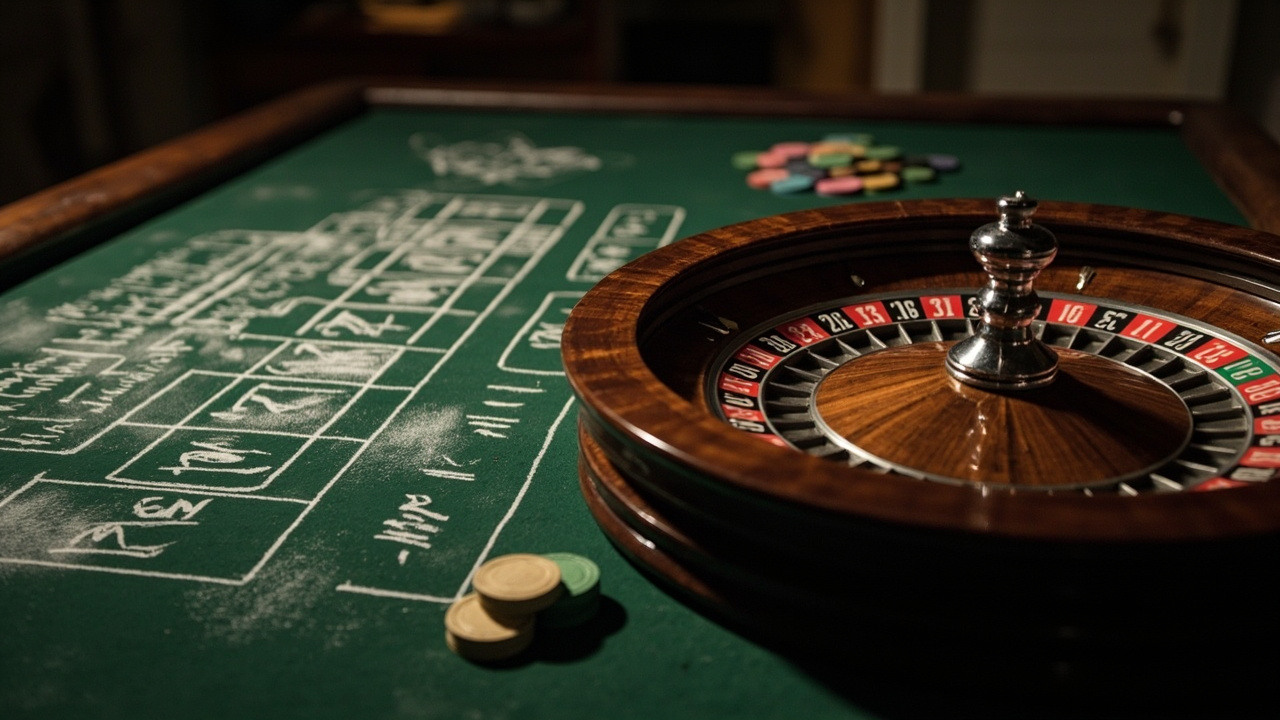
There’s a quieter side to this whole space too, because casino chip collecting, known as casinochipophily, is a recognised hobby with dedicated clubs, and some players care as much about the physical artefacts and history as they do about the digital reels. That kind of collector mindset can actually sharpen how you read a lobby, because you start paying attention to the details on the game card, the provider branding, and the way the bonus screen is presented, rather than just chasing a number. It’s not about collecting chips at an online pokies table, but about reading the presentation with the same eye a hobbyist uses when checking a specimen.
Payments, registration and mobile play
A lobby’s spin-to-bonus question only matters if the rest of the account setup is straightforward enough to let you actually play the game you’ve chosen. Registration should be quick, the payment options should match what an Aussie player expects in Australian dollars, and the mobile experience should keep the paytable and bonus info readable on a smaller screen without hiding the trigger conditions behind a clumsy menu. I’ve seen paid search accounts bleed budget because the landing page asked for too much too early, and the same logic applies here: if the registration flow is clunky or the mobile lobby makes it hard to find a game’s bonus rules, the spin count becomes a secondary frustration. A player in Western Sydney who’s checking a site during a busy day wants the basics to work without a pile of friction, and that’s a reasonable expectation rather than a luxury.
Support and loyalty features round out the picture, because a clear help channel and a readable loyalty structure tell you whether the operator is set up for ongoing play or just a quick sign-up bounce. None of this changes the core answer on pokies how many spins to trigger bonus, but it does tell you whether the site is organised enough to let you find that answer when you need it. A site that keeps its game info, paytable access, and support details easy to reach is easier to judge than one that makes you hunt for the basics every time you open a new title.
Verdict
If you’re trying to pin down pokies how many spins to trigger bonus features, the only reliable move is to read each game’s paytable and treat any lobby-wide promise as a marketing line, not a rule. A tidy lobby with clear filters, readable game info, and a mobile layout that keeps the bonus details visible is the one that actually helps you answer the question without wasting time. The player who fits this setup is the one who wants to choose a game by its actual mechanics, check the trigger conditions before spinning, and treat the bonus as something the game delivers on its own terms rather than something that arrives on a schedule.

