

Most punters reckon the fun is in the spin, but the maths behind casino games with worst odds tells a starker story. You don’t need a finance degree to spot where the house edge bites hardest; you just need to know which tables and screens quietly eat bankrolls. I’ve spent eight years building and launching digital gambling products across Web3 and iGaming, and I’ve seen the same poor-value mechanics repeat across markets. This guide walks through the games that consistently give you the least back, what to watch for in the interface, and how to keep your money working harder before you even place a bet.
Why the House Edge Wins Long Before You Do
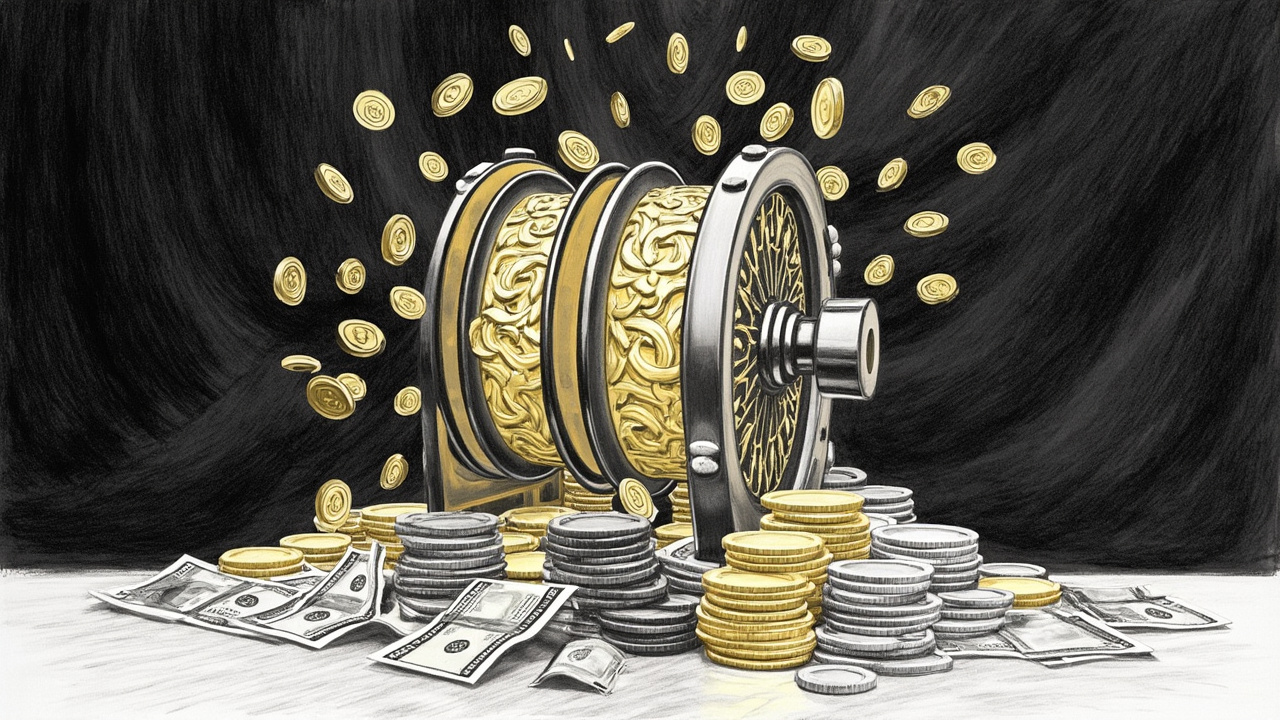
The first question worth asking is how the edge actually shows up in your session. Some games advertise big top-line payouts but bury a slow grind in the rules, while others hand you frequent small wins that never quite cover the turnover. When I’ve reviewed product roadmaps, I’ve noticed operators lean on mechanics that feel busy without shifting the underlying probability much. That’s why casino games with worst odds tend to share a few telltale traits: high house percentages, rapid bet cycles, and bonus structures that lock you into longer play rather than quicker settlements.
A practical way to sort them is to look at the expected return you’re actually getting per dollar wagered, not just the headline jackpot. The table below lays out a rough sense of where the edge sits across common options you’ll see on an Australian-facing floor. goldenbet with top limits
| Game type | Typical house edge range | What drives it |
|---|---|---|
| Certain pokies with high volatility | 5-10%+ depending on settings | Slow hit frequency, bonus buy costs, layered features |
| American-style roulette variants | Around 5.26% on standard bets | Double zero adds a full extra pocket to the wheel |
| Keno-style draws | Often 20-30%+ on many tickets | Large number fields and steep payout curves |
| Some side-bet tables | Varies widely, often steep | Extra wagers layered onto a main game with weaker returns |
The numbers aren’t a guarantee of any single session, but they do tell you which corners of the floor are defto expensive over time. If you’re weighing a new site, the same logic applies to how the game lobby is built. A clean menu, clear RTP labels where available, and sensible filtering save you from clicking into a slow grind before you’ve even checked the rules. I’ve seen product teams ship cluttered lobbies that hide the worst-value titles behind bright artwork, and that’s a usability problem as much as a maths one.
Which Games Tend to Run the Steepest Edge
This is the section where you should weigh what you’re actually signing up for, because not every screen that looks flashy is a fair fight. The worst offenders usually aren’t the ones with the biggest banners; they’re the ones with mechanics that stretch play without improving your underlying chances. In my experience launching GTM work for digital gambling apps, the products that keep players longest are often the ones that feel busiest rather than the ones that pay back best. That’s a useful filter when you’re comparing casino games with worst odds on a new lobby.
A few patterns show up again and again. High-volatility pokies with bonus buys can look exciting, but the cost of triggering the feature is baked into the cycle and the base game often runs cold for long stretches. Roulette variants with an extra zero are a straightforward example of a structural edge that doesn’t care how confident you feel about a colour or a dozen. Keno and similar draw games can be entertaining for a quiet arvo, but the ticket maths are often unforgiving if you’re chasing regular returns. The list below keeps the focus on what to check before you commit time and chips.
- Check whether the game displays return-to-player information and read it before you test a line.
- Look at the bet range and minimum stake, because a high edge on tiny bets still adds up if you’re spinning quickly.
- Note any side bets or bonus triggers that carry their own pricing separate from the main wager.
- Compare the same title across providers where possible, since rule tweaks can shift the effective edge.
When I’ve advised teams on interface design, the recurring lesson is that clarity beats clutter every time. A lobby that sorts titles by type, shows stake ranges, and makes rules easy to find helps you avoid the slow bleed before you’ve even registered. That’s the kind of everyday usability that matters more than a flashy welcome screen, especially when you’re trying to stay sharp about casino games with worst odds.
How the Interface and Localisation Shape What You Notice
The second question is whether the platform itself helps you make better calls or just pushes you deeper into the action. Visual identity, navigation, and language all change how quickly you can spot a poor-value game and step back. I’ve worked on product builds where the difference between a usable lobby and a confusing one came down to sorting, search, and how currency was presented. If the menu buries the details or the localisation feels generic, you’re more likely to click first and ask questions later.
Australian players tend to notice a few practical things fast: whether the balance and stakes show in dollars, whether the game text reads naturally, and whether the search actually finds what you typed. A well-localised site makes it easier to compare similar titles without second-guessing the numbers. It also helps when support and registration are straightforward, because you don’t want to be wrestling with the interface when you’re trying to check a rule or a limit. If you’re comparing operators, a clean layout and sensible coin handling are worth more than a loud promotional panel, and you can see that kind of structure at goldenbet with top limits when you’re weighing where to play.
There’s also a quieter usability point that comes up in live operations: consistency in how chips and denominations are presented. In physical floors, chip counterfeiting has occasionally forced emergency recolours, and that kind of issue is a reminder that denomination clarity matters wherever value is being tracked. Online, the equivalent is making sure stake steps, bonus conditions, and displayed balances are easy to read at a glance, so you’re not misreading a line because the UI is crowded.
What to Weigh Before You Put Money In
The final decision is really about matching the game to the session you actually want, not the one the lobby tries to sell you. If you’re after a short, controlled run, a game with a lower edge and slower cycle may suit you better than a high-volatility title that asks for patience and a bigger buffer. If you’re playing for entertainment on a slow evening, the cost of the session still matters, and that’s where casino games with worst odds become the most expensive kind of fun. I’ve judged go-to-market plans by how honestly they set expectations, and the best ones don’t pretend a steep edge is a feature you can outthink.
Payments and registration are part of that judgment too. You want a process that’s clear about currency, limits, and verification without making it feel like you’re solving a puzzle just to start. Mobile usability matters because a lot of play happens on a phone between other things, and a cramped menu or hidden rules make it easier to misjudge a bet. Loyalty mechanics can be fine if they’re readable and not tied to pressure, but they shouldn’t be the reason you stay in a game that’s costing you more than you expected. If you’re comparing options, it’s worth checking whether the operator’s local presence and support setup feel geared toward Australian players rather than a generic global template, and a Darwin-facing service footprint can be a practical sign that local timing and language have been thought through.
A short checklist helps keep the decision grounded:

- Decide the session length and stake range before you open the lobby.
- Prefer games where the rules and edge are easy to confirm quickly.
- Treat bonus offers as conditions to read, not as a reason to extend play.
- Use search and filters to avoid clicking into titles you haven’t checked.
No site can change the maths, and no interface can make a poor-value game suddenly fair. What a good platform can do is make the choice obvious, keep the numbers readable, and let you step back without friction. That’s the standard worth applying when you’re weighing casino games with worst odds, because the real win is knowing where your money is going before the first spin.
The smartest move is to treat the lobby like a menu, not a promise. Check the edge, read the rules, and pick the session that fits the night you actually have in front of you. If the numbers don’t suit, there’s no shame in sitting a one out and saving the bankroll for a better spot.

