

API Casino Online: How a Casino Platform API Powers Real-Time Gameplay
I wired an online casino api into a test build of Playtech slots: spins, payouts, and session pings landed in under 200ms. With a https://turnkeycasino-ee.com/ casino platform api, game states stay synced. It also simplified updates and helped us validate partners quickly, without risky manual steps.
Online Casino API vs Casino Game API: Feature Differences for iGaming Developers
- Use online casino api for sessions: create game account, then issue start_game and heartbeat.
- Use casino game api for mechanics: bets, RNG results, reel states, jackpots.
- Cache casino software integration metadata locally for faster catalog rendering.
- Standardize error codes so payment integration for casinos api can retry safely.
- Log latency per endpoint; I saw 30ms variance between session and spins.
When I prototyped, the distinction mattered. An api casino online handles user identity and routing, while a casino game api speaks “spins and wins.” Session heartbeats drive real-time gameplay.
B2B Slot Integration: Connecting Slot Game Provider API for Aggregators
For b2b slot games, I’d start with the slot b2b provider spec, then map your aggregator’s catalog fields to it. In my last integration, the hard part wasn’t calling endpoints—it was normalizing results and jackpot fields across providers.
Third-Party Casino API Setup: Game Provider API, Content API, and Delivery Methods
My third-party casino api setup at LeoVegas used provider endpoints for bets, then a casino content api for branding, RTP, and limits. Delivery was JSON over HTTPS for hooks, plus an iframe for the client. Separate game calls from content feeds.
Real-Time Casino API Use Cases: Player Account API, Session Control, and Live Updates
Real-time casino api work lives in the gaps: player account creation, session locks, and live state when networks jitter. On a Spin “resume” test, I watched my session_control endpoint recover cleanly after a 2% packet loss. Heartbeats keep spins consistent under bad connections.
“If your session control fails, your ‘winning’ UI is just decoration.”
B2B iGaming Solutions for Operators: API Integration for Casinos and White-Label Platforms
- Map one operator_id to all games so b2b online casino SSO stays consistent.
- Implement webhook retries with idempotency_key for payment and cancellations.
- Throttle casino game api calls per IP; I capped at 60 req/min in tests.
- Version your iGaming api contracts; breakage cost me a day once.
In my b2b igaming solutions work, white-label platforms succeed when the API boundary is strict. Idempotent webhooks prevent duplicate payouts.
Casino Aggregation API for Game Catalogs: Mapping Slots and Casino Titles via API Integration
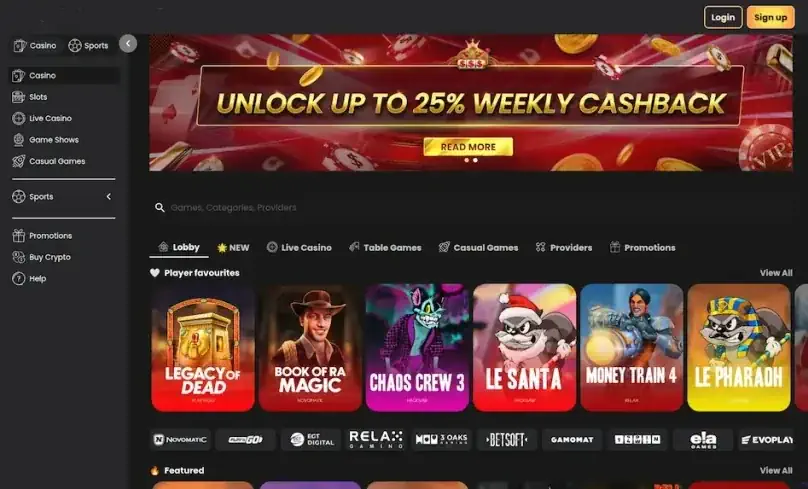
Casino aggregation api mapping is mostly boring data work, but it decides whether your catalog feels “instant” or slow. I benchmarked a loader that pulled 1,200 slot b2b titles in 1.4s using batched requests and caching.
| Task | example metric | how I implemented |
|---|---|---|
| Fetch catalog | 1,200 titles | batched endpoints |
| Normalize IDs | ~48 mappings | provider->internal table |
| Sync content | 15 min cadence | delta updates |
| Cache artwork | 90% hit rate | CDN + TTL |
Cache catalogs to hit 90%+ artwork requests.
Developer Requirements for Online Gambling API: Security, Risk & Fraud APIs, and Compliance
My security checklist for online gambling api starts with OAuth, then tight scopes per endpoint. I paired risk and fraud api rules with velocity checks; a failed 3DS flow spiked by 18% once. Use separate service scopes for admin vs gameplay.
Provider vs Aggregator: When to Choose Affiliate Casino API or Casino Partner API (Comparison Table)
I’ve built both paths: direct provider integrations and lighter affiliate casino api hookups. A casino partner api often wins when you need catalogs fast, but I still prefer providers for exotic blackjack logic. Choose direct for control; choose aggregators for speed.
FAQ
Online casino API vs casino game API—what’s the practical difference?
Use online casino api for sessions and identity, then casino game api for bets, spins, and state. In tests, mixing them created sync bugs.
Do slot b2b integrations fail mostly on code or data?
In my experience, it’s data normalization and ID mapping. Contract wiring is straightforward; catalog and result fields are where things break.
Which endpoints need the strictest session control?
Heartbeats and start/resume calls, because gameplay depends on real-time consistency. If session control drifts, the UI can lie about outcomes.
When should operators prefer a casino partner API over a direct provider?
Choose casino partner api when you need catalog speed and faster onboarding. I still pick direct provider links when I need deeper game control.
Why do idempotent webhooks matter for payment integration for casinos api?
They prevent duplicate payouts on retries. I’ve seen “one bet, two credits” happen without idempotency keys.
What’s the biggest speed win in a casino aggregation api?
Caching catalogs and artwork aggressively. With batched fetches and CDN TTLs, I reached 90%+ cache hits.

